Sankofa Wetland Park & Nature Trail is one of Florida’s best-kept secrets—a sanctuary for diverse wildlife, an outdoor classroom, and a haven for nature lovers. Journey with us as we explore its origins, ecological wonders, educational opportunities, and the critical role the park plays in conservation and community wellbeing.
The Origins and Vision of Sankofa Wetland Park
Nestled in the heart of Florida, Sankofa Wetland Park & Nature Trail emerged from a powerful vision shared by environmental leaders, community advocates, and local government. Located within the diverse landscape of Central Florida, just outside the urban bustle, the park serves as both a sanctuary for wildlife and a space for people to reconnect with nature. The land was thoughtfully chosen for its ecological richness and its vulnerability—once threatened by potential development. Recognizing both the need to preserve vital wetland habitats and the opportunity to create a lasting community asset, the founders collaborated to secure this site as a protected area.
The name ‘Sankofa’ holds deep historical and cultural resonance. Originating from the Akan people of West Africa, the word translates as “return and get it,” a concept symbolized by a bird looking backward while moving forward with an egg in its mouth. This embodies the park’s mission: to honor the wisdom of the past while nurturing a sustainable and vibrant future. By adopting the name, the creators affirm the importance of learning from history—particularly the necessity of safeguarding natural treasures—and passing down this legacy to future generations.
At its core, the establishment of Sankofa Wetland Park & Nature Trail was guided by several principal objectives. Foremost was the conservation of native habitats, ensuring the protection and restoration of ecosystems unique to Florida’s wetlands. The park offers opportunities for environmental education, inviting visitors of all ages to deepen their understanding of local ecology and participate in stewardship efforts.
Equally important is the commitment to community enrichment. The park was designed as a welcoming public green space where families, school groups, and individuals can experience the wonders of the wetlands through immersive trails, educational programs, and citizen science initiatives. This approach weaves together ecological preservation and community engagement, building a shared sense of responsibility and inspiring long-term environmental stewardship, ensuring that Sankofa’s lands and lessons endure for generations.
Ecological Wonders and Biodiversity
Tucked within Florida’s lush landscape, the wetland ecosystems of Sankofa Wetland Park & Nature Trail abound with ecological marvels that reveal the true complexity and richness of the region’s natural heritage. Dominating the watery tapestry, stands of *bald cypress* rise from the shallow pools, their knobby “knees” protruding above the waterline. These ancient trees provide crucial habitat and shade to aquatic creatures, while the *sawgrass* marshes undulate gently in the breeze, their razor-edged blades forming a resilient barrier that harbors countless life forms. In quieter alcoves, the delicate blooms of *water lilies* float serenely, offering shelter for minnows and perches for dragonflies and butterflies.
The fauna of Sankofa Wetland Park is as diverse as it is fascinating. Alligators, emblematic of Florida wetlands, glide silently through the waterways, serving as apex predators that regulate populations of fish and amphibians. Wading birds such as great egrets, roseate spoonbills, and wood storks forage along the marsh’s edge, using their specialized beaks to hunt in the shallows and contributing to the dynamic food web. The park’s sun-drenched logs offer basking spots for a variety of turtles, including the peninsula cooter and Florida red-bellied turtle, while ephemeral wildflower patches attract butterflies such as zebra longwings and monarchs.
Wetlands like those contained within the Sankofa’s boundaries perform irreplaceable ecological services that ripple far beyond their borders. By acting as natural filters, these marshes capture and break down pollutants, supporting the purification of Florida’s precious water supplies. The spongy soils absorb excess rainfall, mitigating flooding during storm events and sustaining groundwater reserves. Even more vital, these habitats serve as refuges for threatened and endangered species, offering sanctuary amidst development pressures. Through the park’s thriving biodiversity, visitors witness the profound, interconnected roles that wetlands play in sustaining both wildlife and Florida’s environmental health.
Recreation and Education Opportunities
Among Florida’s many natural sanctuaries, Sankofa Wetland Park & Nature Trail stands out not only for its biodiversity, but also for the wealth of recreational and educational opportunities it offers to visitors of all ages. The park’s thoughtfully designed network of boardwalks and observation platforms provides an immersive setting for activities like birdwatching, where both seasoned birders and curious newcomers delight in spotting elegant herons, egrets, and migratory songbirds. Photographers, too, are drawn to the tranquil water vistas, intricate patterns of aquatic plants, and the daily drama of wildlife in their natural habitat.
Guided nature walks, led by experienced interpreters, are a cornerstone of Sankofa’s educational outreach. During these excursions, participants engage in hands-on discovery—touching native plant species, examining aquatic invertebrates, and learning to interpret animal tracks—turning a simple stroll into a dynamic lesson in ecology. Regularly scheduled environmental workshops deepen this experience, offering specialized topics such as wetland ecology, native plant gardening, and pollinator support. These programs are tailored to different audiences, from school field trips and scout troops to families and vacationing tourists.
For educational institutions, Sankofa Wetland Park functions as an invaluable outdoor classroom. School visits are coordinated with teachers to align with state science standards, providing real-world extensions to classroom learning. Interactive stations, field journals, and student-led experiments make ecology tangible and unforgettable for young learners. Family groups exploring the park on weekends may participate in scavenger hunts, storytelling sessions, or wildlife monitoring activities, making nature exploration an inclusive and engaging adventure.
By making environmental learning accessible and memorable, the park nurtures a personal connection to Florida’s wetlands in each visitor. These diverse educational and recreational offerings plant the seeds of stewardship—fostering curiosity, respect, and a sense of responsibility for the ecosystem—thus preparing the ground for community-driven conservation and involvement in Sankofa’s ongoing ecological mission.
Conservation Efforts and Community Involvement
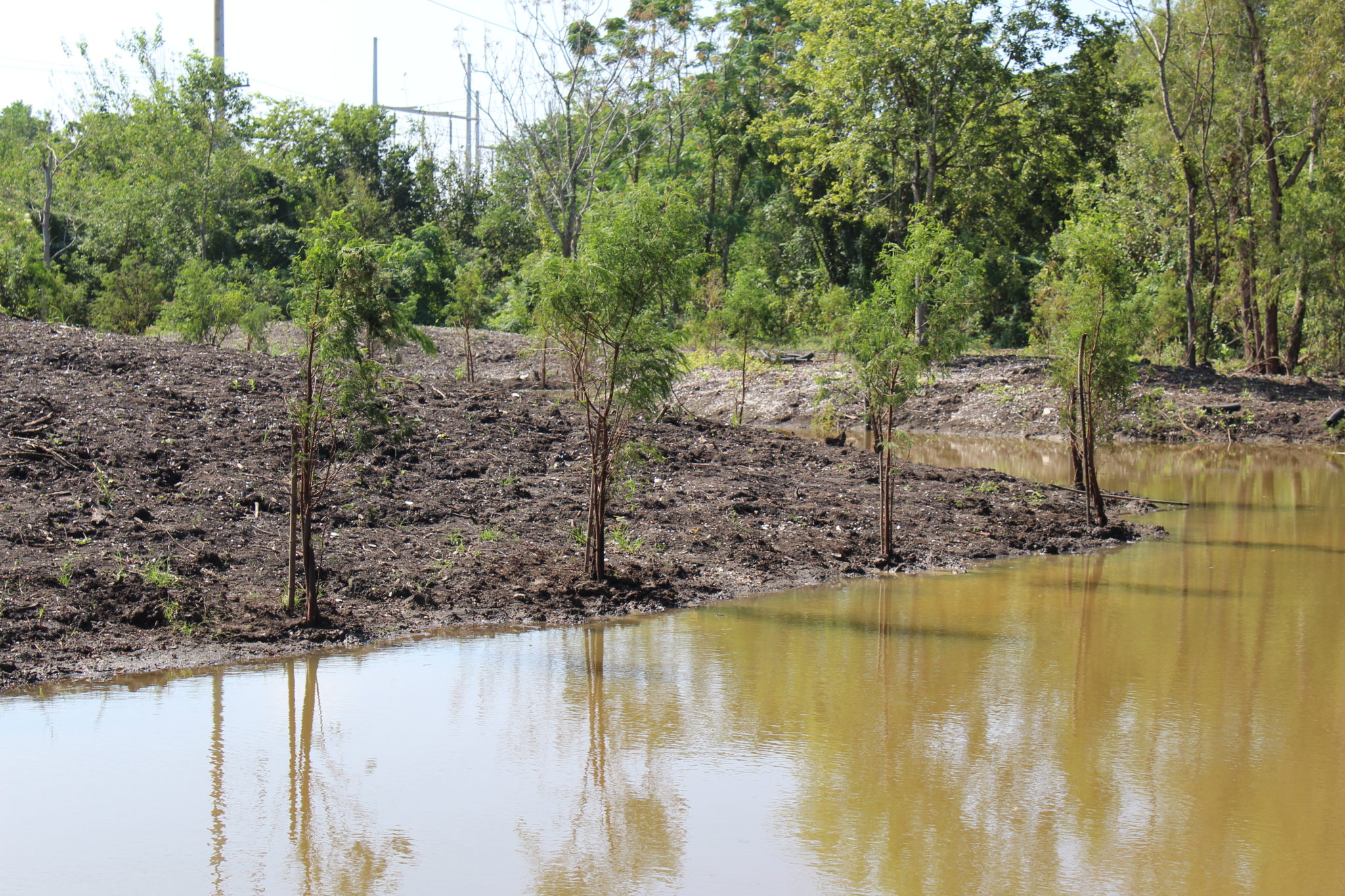
At the core of Sankofa Wetland Park & Nature Trail’s mission lies a commitment to sustaining and rejuvenating the natural environment, a goal made possible through dedicated conservation efforts and meaningful community participation. The park’s ongoing projects focus on the careful management of invasive plant species, which, if left unchecked, could overwhelm native flora and diminish the area’s diverse habitats. Volunteers and staff work in tandem to identify and remove aggressive invaders such as Brazilian pepper and air potato, thereby allowing native marsh grasses, wetland wildflowers, and hardwoods to flourish. Such hands-on restoration extends to replanting efforts, with hardy native species chosen for their ecological value and resilience, ultimately supporting healthy food webs for local wildlife.
The synergy between Sankofa Wetland Park and the community is further exemplified by robust citizen science initiatives. Residents and visitors alike are empowered to collect data on bird populations, water quality, and seasonal changes within the ecosystem, providing invaluable information to land managers and researchers tracking the wetland’s evolution. Partnerships with local schools and universities not only offer students experiential learning opportunities in ecological monitoring and research but also encourage innovation in habitat restoration techniques.
Collaboration with environmental organizations amplifies the park’s impact, bringing specialized expertise, additional resources, and broader advocacy for the protection of sensitive wetland areas. These alliances foster workshops on sustainable land management and facilitate grant funding for large-scale projects, such as the installation of pollinator gardens or the expansion of boardwalks to minimize human disturbance.
Volunteer programs serve as the lifeblood of these efforts, offering regular workdays for invasive removal, planting, and trail maintenance. Community events, like guided restoration walks and Eco-Action Days, nurture a sense of stewardship and collective pride. Crucially, these opportunities not only preserve the wetland’s health but also weave it firmly into the social fabric, ensuring its vibrant presence and accessibility for generations. Through concerted advocacy and widespread inclusion, Sankofa Wetland Park embodies a model of ecological sustainability rooted in community investment.
Conclusions
Sankofa Wetland Park & Nature Trail is more than just a scenic destination—it’s a living testament to conservation, education, and community involvement. By preserving Florida’s vital wetlands and welcoming visitors of all ages, the park ensures that nature, culture, and stewardship are passed on for generations, making it an essential treasure for both locals and tourists.